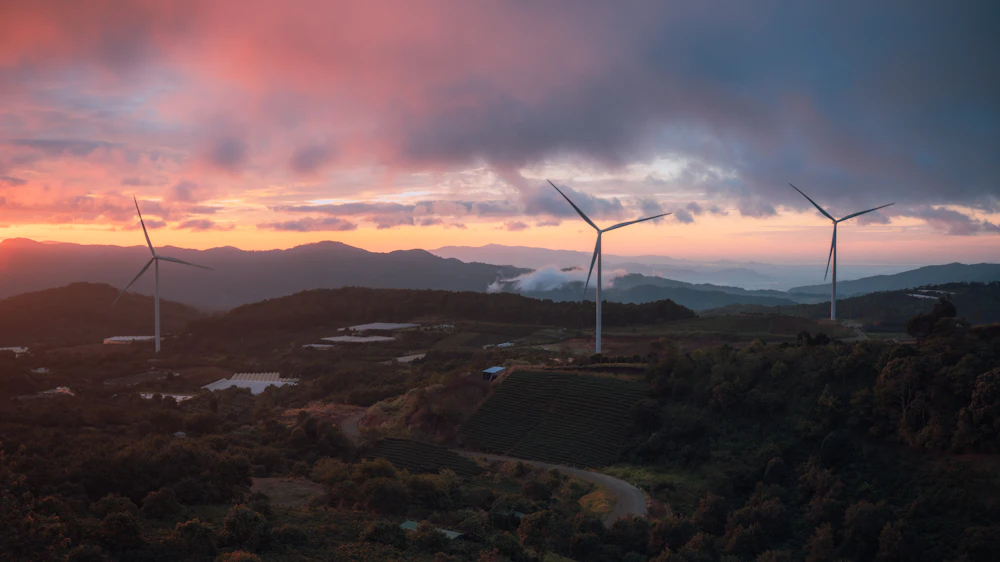
The road into a wind site can dictate which turbines fit. Blade length, the turning radius of a loaded truck and bridge weight limits all affect delivery. Designing some components for assembly on site can change those requirements, along with the work and equipment needed once they arrive.
For a data-center microgrid, transport is only one part of the calculation. A turbine’s nameplate capacity describes its rated output. What a campus can actually use depends on hourly wind conditions, the customer’s load and the other resources on the same electrical system.
Storage can bridge shorter wind lulls. Longer interruptions require either enough storage to span them, access to the grid or another generator that can run on demand. The IEA describes the different roles of storage, dispatchable generation and demand response as electricity systems add more variable generation. [1]